Festival & Food Truck Consulting in Austin
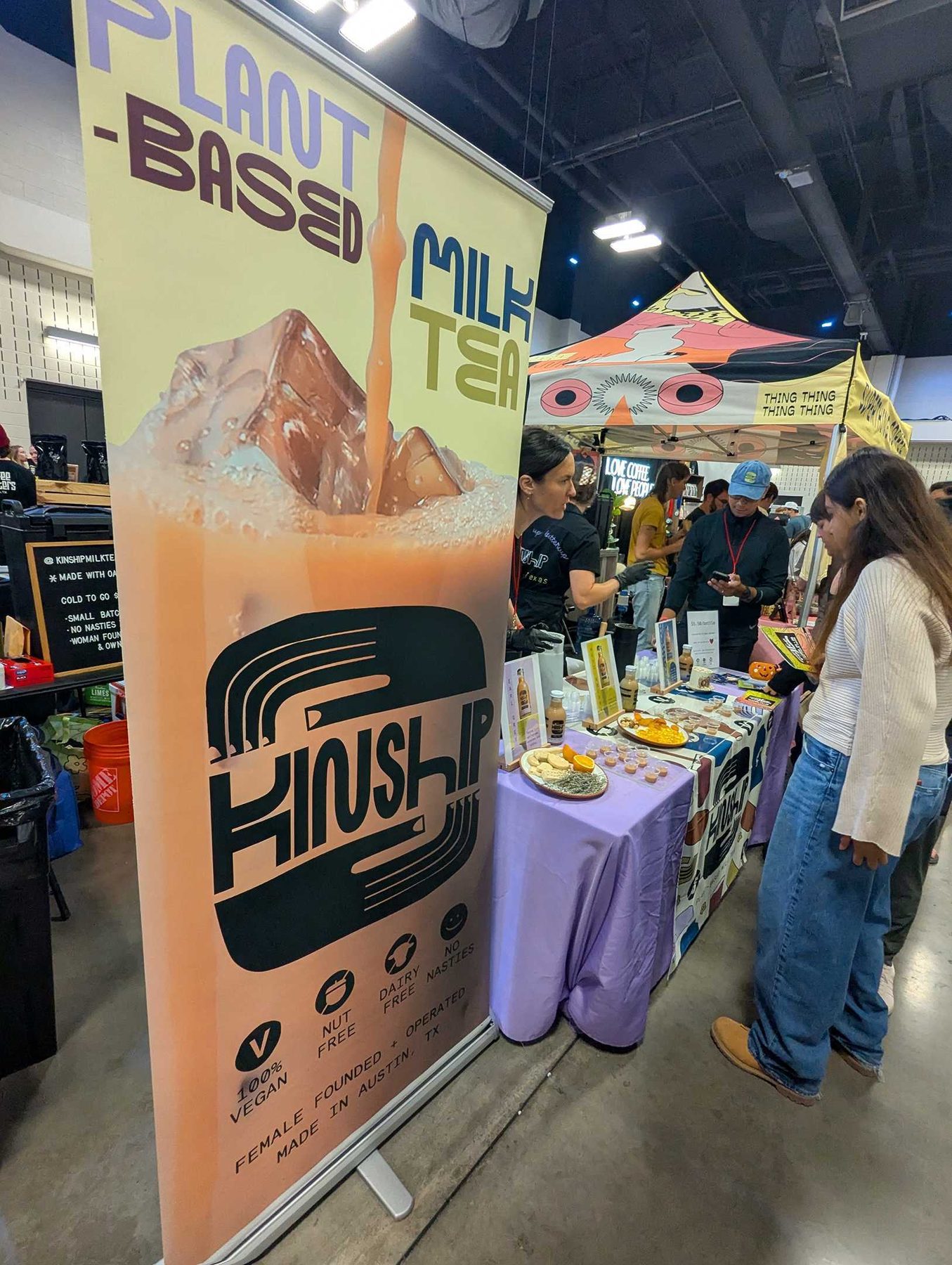
Festivals are bread and butter. Food trucks are an art.
Both are how somebody who cannot afford a brick-and-mortar builds a real business, and both are where people lose money for reasons that were entirely predictable in advance.
Field Labs consults for food trucks, small food brands, and consumer brands entering festivals and new markets.
What goes wrong, almost every time
The wrong event for the product. A menu with too many items to execute at volume, which is the single most common way a truck dies at a festival. Understaffing the line and overstaffing the window, or the reverse. Prep quantities guessed instead of calculated. Fee, permit, and power costs discovered after committing. And nobody working the crowd, so the line never starts, and a line that never starts does not start later.
None of that is bad luck. All of it is decidable beforehand.
What we work through
Which festivals actually fit your product, your price point, and your capacity, and which are prestigious and will cost you money. Menu reduction for volume execution. Prep quantities from real throughput rather than optimism. Staffing the window, the line, and the crowd as three different jobs. Fees, permits, power, water, and what the real all-in cost is before you commit. Layout and flow at the booth. And what to actually do in the first hour, which sets the whole day.
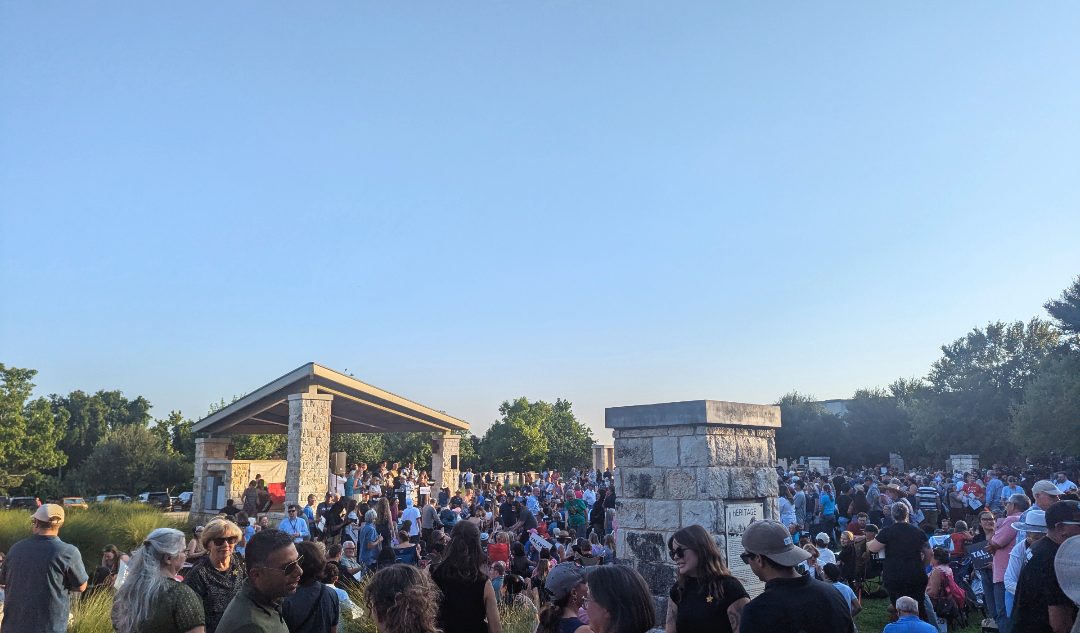
The size of the room you are entering
A festival crowd is not a sampling table with more people in front of it. The throughput, the staffing and the stock all change.
The rest of it
The crowd is a job, and nobody staffs it
When a truck is running, the person out in front pulling people over and taking orders, handing them back so the line can focus, is doing the highest-value job at the event, and it is the one almost every operator skips because everybody is inside cooking.
A line that exists attracts a line. A window with nobody at it stays empty next to a truck with a queue, selling identical food. That is the most reliable thing at any festival.
Why festivals and not ads
A festival week is brutal and it is also the fastest brand awareness available to a small food business. Work one properly and it does not stop at the event, it picks up and it sticks. One brand we helped break in now runs three brands and a brick-and-mortar.
The version worth aiming at is the one where you work a big festival for a week, get thoroughly beaten up, sell enormous volume, and then go home to your family for three weeks. That is a life. Grinding a truck seven days a week is not.
Who this is for
Food trucks doing their first festival, or their fifth and still not clearing what they should. Small food brands who have never had a booth. Restaurants considering a festival presence. Consumer brands entering a new city or a new market where being physically present is the whole strategy.
Where this comes from
Two careers pointed at the same problem. Restaurant operations, line, management, multi-unit, kitchen management, and general management of a high-volume Austin restaurant. And field activation across nearly every format there is: conferences, sports events, in-store sampling, warehouse-club demos, guerrilla street work, festivals.
Most festival advice comes from one side or the other. The failures live where they meet.
What it costs
Priced by scope, a single event review, a full season plan, or on-site support during the event itself. Tell us your product, your capacity, and which events you are looking at, and you get a plan and a number before anything is committed.
CTA: Tell us what you sell, how fast you can make it, and which festivals you are considering.
Use the contact form, or call (512) 808-0153.
More from Field Labs